When you visit a medical centre for persistent digestive issues, your doctor might recommend a procedure to look inside your stomach.
During the consultation, you might hear them use various medical terms interchangeably.
This often leads patients to wonder about gastroscopy vs endoscopy—are they the same thing, or are they completely different procedures?
Navigating medical jargon can be overwhelming, especially when you are already feeling anxious about your health.
For patients seeking clear answers, understanding the exact difference between endoscopy and gastroscopy is the first step toward feeling confident and prepared for your upcoming examination.
In this comprehensive guide, we will break down the terminology, explore the exact gastroscopy meaning, and answer the most frequently asked questions about your diagnostic care.
What is an Endoscopy? The Umbrella Term
To understand the difference, we first need to define the broader term. An endoscopy is a general medical category, much like the word “surgery” or “imaging.”
It refers to any non-surgical procedure used to examine a person’s digestive tract or other internal organs using an instrument called an endoscope.
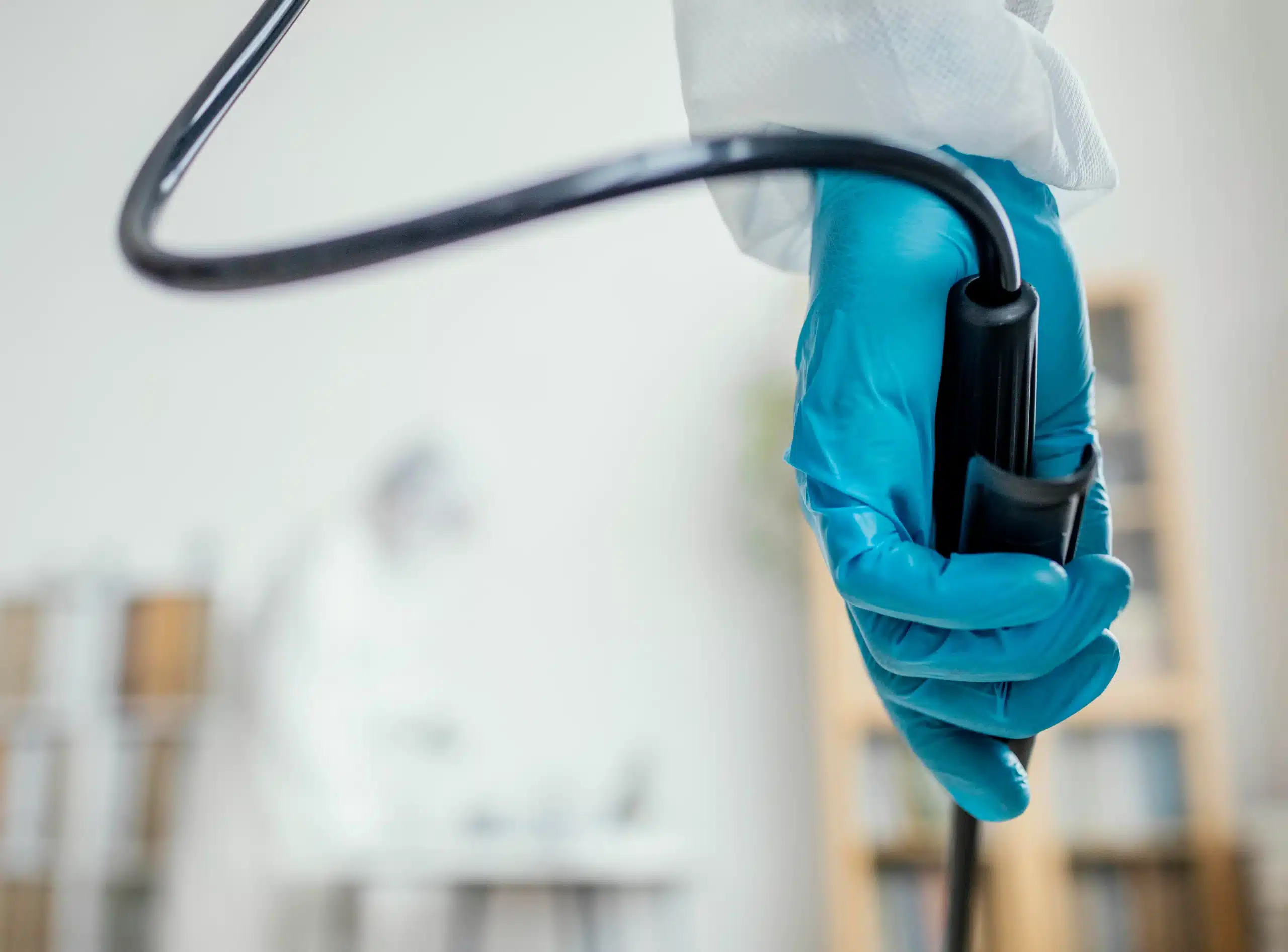
An endoscope is a flexible, specialised tube equipped with a powerful light and a high-definition camera attached to it.
When a doctor performs an endoscopy, they insert this tube into the body to transmit real-time, highly detailed color images onto a screen, allowing the specialist to closely examine the internal lining of your organs.
Why Do Doctors Prefer Endoscopy?
Doctors prefer endoscopic procedures over standard imaging (like X-rays or ultrasounds) because endoscopies offer a direct, high-definition visual of the internal organs.
Furthermore, if a doctor spots an abnormality, they can immediately pass microscopic tools through the endoscope to take a biopsy (tissue sample) or stop active bleeding, making it both a highly effective diagnostic and therapeutic tool.
What is the meaning of Gastroscopy Meaning?
While “endoscopy” refers to the general method of looking inside the body, the gastroscopy meaning is much more targeted. A gastroscopy focuses exclusively on the upper part of the gastrointestinal (GI) tract.
What is Another Name for Gastroscopy?
In the medical community, a gastroscopy is formally known as an osophagogastroduodenoscopy (OGDS) or an upper GI endoscopy.
What Organs Can a Gastroscopy See?
During this specific procedure, the gastroenterologist gently guides the endoscope through your mouth to examine three specific upper digestive organs:
- The Esophagus (the swallowing tube)
- The Stomach
- The Duodenum (the very beginning of your small intestine).
Gastroscopy vs Endoscopy: What Is Better?
A common question patients ask when looking at their referral letters is: What is better, a gastroscopy or endoscopy?
The truth is, they are not competing procedures. The easiest way to understand the difference between endoscopy and gastroscopy is through a simple rule: all gastroscopies are endoscopies, but not all endoscopies are gastroscopies.
When your doctor tells you that you need an “endoscopy” for your stomach pain, they are speaking in general terms, but the specific, targeted procedure they will actually perform on you is a gastroscopy.
| Feature | Endoscopy (The Broad Category) | Gastroscopy (The Specific Procedure) |
|---|---|---|
| Definition | Any procedure using an endoscope to look inside the body. | A specific endoscopic procedure focusing on the upper GI tract. |
| Area Examined | Can refer to the stomach, colon, lungs, joints, or bladder. | Specifically examines the esophagus, stomach, and duodenum. |
| Entry Point | Can be the mouth, rectum, or a small surgical incision. | The endoscope is exclusively inserted through the mouth. |
Why Would a Doctor Order a Gastroscopy?
What Are Alarming Symptoms for Endoscopy?
Your specialist will likely order a gastroscopy if you are experiencing “red flag” or alarming symptoms that require immediate investigation. These include:
- Black, tarry stools, or vomiting blood (which indicates upper gastrointestinal bleeding).
- A feeling that food is getting stuck in your chest when you swallow (dysphagia).
- Unexplained weight loss paired with abdominal discomfort.
- Chronic nausea or vomiting that does not resolve with standard medication.
What Diseases Can Be Detected by a Gastroscopy?
A gastroscopy is the gold standard for investigating and diagnosing conditions such as:
- Gastroesophageal Reflux Disease (GERD)
- Stomach ulcers (Peptic ulcer disease)
- Celiac disease
- Barrett’s esophagus
- Early signs of stomach or esophageal cancers.
Prioritise Your Digestive Health Today
Understanding your medical care is vital, especially when facing diagnostic procedures.
As Health Minister Datuk Seri Dr. Dzulkefly Ahmad noted, the prevalence of cancer cases in Malaysia is a concerning trend, with colorectal cancer ranking among the top five most prevalent types.
While a gastroscopy focuses on the upper digestive tract and a colonoscopy focuses on the lower tract, both are fundamental tools in preventing severe gastrointestinal diseases.
Maintaining digestive health and detecting potential issues early on is crucial for your overall wellbeing.
This is why our ambulatory care centre sports a fully equipped procedure room to ensure a comprehensive screening can be done to detect any anomalies early on.
Whether you need an upper GI evaluation or a full digestive screening, the experienced medical team at ACC Evesuite Medical Centre is here to provide seamless, comfortable, and highly accurate diagnostic care.
Take control of your health with confidence. Visit ACC Evesuite Medical Centre – Gastroscopy and Colonoscopy to learn more about our procedures or to book an appointment with our specialists today.
Procedure FAQ: Preparation, Pain, and Recovery
What Should You Not Do Before a Gastroscopy?
The most important rule is adhering to the fasting protocol. You must stop eating solid foods for at least 8 hours before the procedure, and stop drinking clear liquids 2 hours prior.
An empty stomach is crucial for clear camera visibility and to prevent aspiration during sedation.
Are You Put to Sleep for Gastroscopy?
In most standard cases, you are not put under general anesthesia. Instead, patients receive “conscious sedation” intravenously.
This induces deep relaxation and drowsiness. Most patients fall into a light sleep and have no memory of the procedure.
For the complete step-by-step walkthrough of the procedure itself, see our guide to how an endoscopy is performed.
How Painful is Gastroscopy?
A gastroscopy is not painful. The internal GI tract lacks standard pain receptors. To prevent gagging, doctors use a local anesthetic spray to numb your throat completely.
You may feel mild pressure or bloating from the air gently pumped into the stomach to expand the view, but you will not feel sharp pain.
How Long Does Gastroscopy Take?
The actual examination is very swift, typically taking only 10 to 20 minutes to complete.
What is the Recovery Time After Gastroscopy?
Immediate recovery takes 30 to 60 minutes in the clinic while the initial sedatives wear off. However, full recovery from the sedation takes a full 24 hours, during which you should not drive, operate machinery, or make major decisions.
What is the Major Complication After Gastroscopy?
Gastroscopies are incredibly safe. However, the major (but exceedingly rare) complications include adverse reactions to the sedatives, minor bleeding from a biopsy site, or a perforation (a small tear) in the lining of the GI tract.
References
National Institute of Diabetes and Digestive and Kidney Diseases (NIDDK) (2017). ‘Upper GI Endoscopy’. U.S. Department of Health and Human Services. Available at: [https://www.niddk.nih.gov/health-information/diagnostic-tests/upper-gi-endoscopy] (Accessed: 1 July 2026).
Ehsan, M. and Iqbal, P. (2025). ‘Esophagogastroduodenoscopy’, in StatPearls. Treasure Island (FL): StatPearls Publishing. Available at: [https://www.ncbi.nlm.nih.gov/books/NBK532268/] (Accessed: 1 July 2026).
Bernama (2024). ‘Waiting Period For Cancer Treatment Depends On Patient’s Condition – Dzulkefly’. Bernama General News. Available at: [https://bernama.com/en/news.php?id=2271096] (Accessed: 1 July 2026).
Medically reviewed by
Dr Fatin Salehah Ramdhan
MBBS (Universiti Kuala Lumpur)
Dr Fatin Salehah Ramdhan is a primary care physician who provides general healthcare and medical services. She currently practises at Klinik Fatin in Pasir Gudang, where the clinic provides primary care and ultrasound services.
Our medical reviewers are part of Qualitas Health Group, of which ACC is a member through Qualitas Health Malaysia.