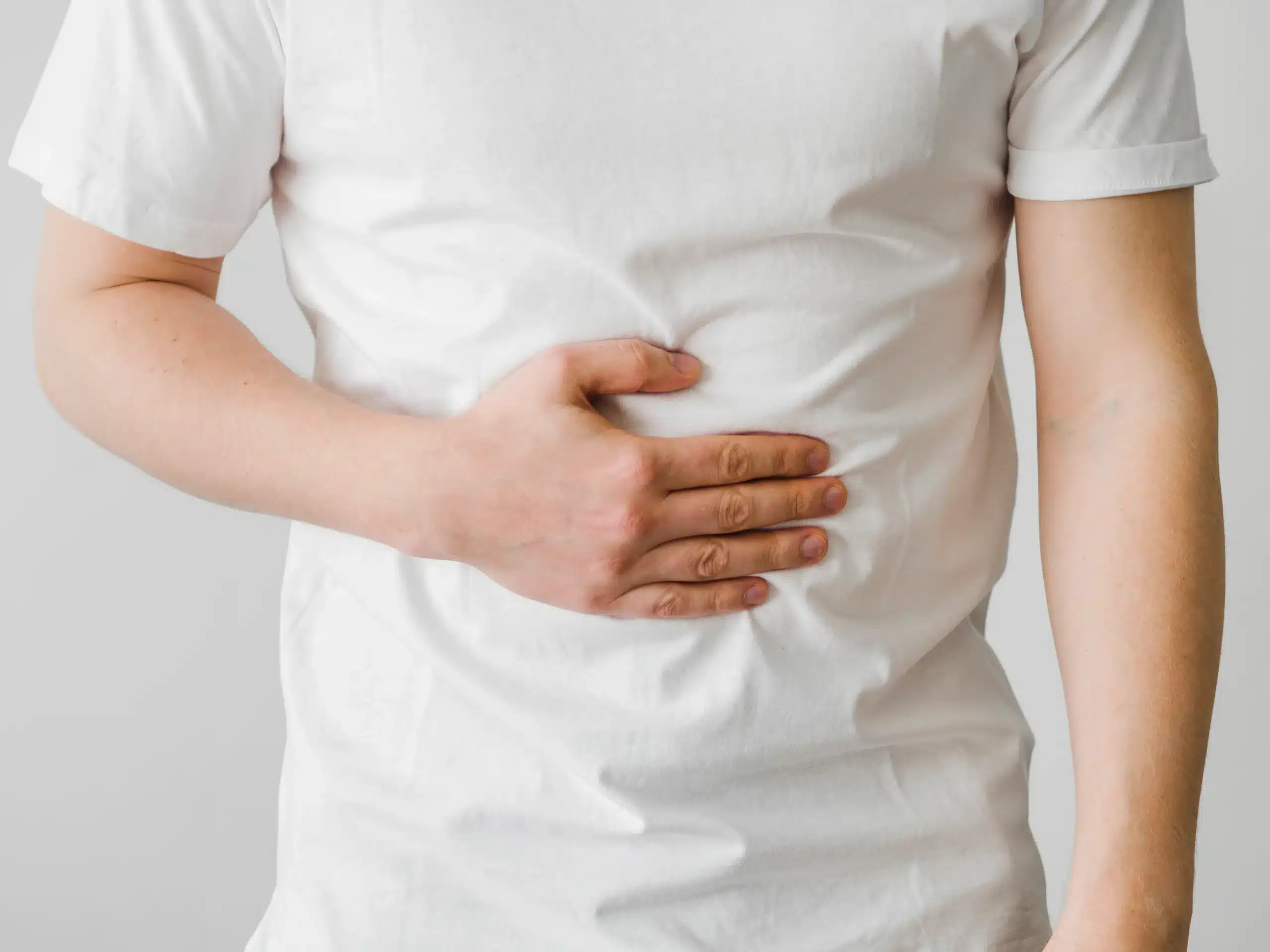
If your doctor has recommended a stomach examination, it is completely normal to feel a mix of apprehension and anxiety. For many patients in Malaysia, the very first question that comes to mind is: is endoscopy painful?
The thought of having a medical instrument guided down your throat can understandably trigger a gag reflex in your imagination long before you even step foot in a medical centre.
However, modern medical advancements and advanced sedation techniques have transformed this vital diagnostic tool into a routine, well-tolerated, and generally painless procedure.
Understanding exactly what happens during an upper gastrointestinal (GI) endoscopy—also known as a gastroscopy—can significantly reduce pre-procedure anxiety.
Here is a comprehensive guide to what you can expect during your stomach examination, addressing your concerns about pain, awareness, and recovery. If you would like a full breakdown of how to prepare beforehand, see our complete diet and preparation guide.
What is an Upper Endoscopy?
An upper endoscopy is a highly effective diagnostic procedure used by gastroenterologists and specialists to visually examine the upper part of your digestive system.
This includes the esophagus (the swallowing tube), the stomach, and the duodenum (the beginning of the small intestine).
The procedure utilises an endoscope—a thin, flexible tube equipped with a high-definition camera and a light at its tip.
This tool allows doctors to investigate symptoms such as persistent heartburn, abdominal pain, unexplained weight loss, bleeding, or difficulty swallowing.
It is a critical step in diagnosing conditions like ulcers, acid reflux (GERD), celiac disease, and early signs of gastrointestinal cancers.
Is It Painful to Do an Endoscopy?
Let’s address the most pressing concern directly: is it painful to do an endoscopy? The short and reassuring answer is no.
An endoscopy is not designed to be a painful experience, and medical professionals take multiple steps to ensure you remain comfortable from start to finish.
While the idea of the endoscope passing down your throat sounds uncomfortable, it is crucial to understand that the internal lining of your gastrointestinal tract does not have the same type of pain receptors as your external skin.
You will not feel sharp, cutting, or tearing sensations.
- Pressure Instead of Pain: Patients typically report feeling a sense of pressure or mild bloating. This bloating occurs because the doctor may gently pump a small amount of air into your stomach to inflate it slightly.
- Clear Imaging: This inflation acts like a balloon expanding, smoothing out the folds of the stomach lining so the camera can capture clear, unobstructed images of any potential abnormalities.
- Numbing the Throat: To prevent any throat discomfort or gagging as the tube is initially inserted, your medical team will typically administer a local anesthetic spray to the back of your throat. This numbs the area completely, neutralising the gag reflex and ensuring the endoscope glides down smoothly without causing physical distress.
Are You Awake for an Endoscopy?
Another common question patients frequently ask is: are you awake for an endoscopy?
In most clinical settings, patients are given conscious sedation (also known as moderate sedation) or sometimes deep sedation, depending on the individual’s health profile and anxiety levels.
- Conscious Sedation: If you receive conscious sedation, you are technically awake, meaning you can breathe on your own and potentially respond to simple prompts.
- Deep Relaxation: However, the medications used—typically a combination of a mild sedative and a pain reliever administered intravenously (IV)—induce a state of deep relaxation and drowsiness.
- Amnesic Effect: Because of the amnesic effect of these sedatives, the vast majority of patients fall into a light sleep and have absolutely no memory of the procedure itself. You will likely feel as though you simply closed your eyes for a brief nap and woke up in the recovery room.
For patients who are highly anxious, some medical centres offer deep sedation administered by an anesthesiologist, ensuring you are completely asleep throughout the examination.
Your doctor will discuss the best sedation option for you during your pre-procedure consultation.< This is the same conscious sedation protocol used for other endoscopic procedures at ACC, including gastric balloon placement.
What to Expect: A Step-by-Step Guide
Knowing the step-by-step flow of the procedure can further alleviate your fears. Here is what your visit will generally look like:
1. Preparation and Setup
Upon arriving at the procedure room, a nurse will review your medical history and take your vital signs.
You will be asked to lie down on your left side on a comfortable examination bed. An IV line will be placed in your arm or hand to administer the sedative medications.
2. Numbing the Throat
Before the sedation takes full effect, the medical team will spray a bitter-tasting liquid anesthetic into the back of your throat.
They will also place a small, protective plastic mouthguard between your teeth to keep your mouth safely open and protect your teeth from the endoscope.
3. The Examination
As the sedative begins to work and you feel profoundly relaxed or drift to sleep, the doctor will carefully guide the endoscope through the mouthguard, down your esophagus, and into your stomach.
Because your throat is numb, you will not feel pain, and your airway remains completely clear for normal breathing.
The doctor will observe the high-definition images on a monitor. If necessary, they can pass tiny specialised tools through the endoscope to take a biopsy (a small tissue sample) or remove polyps.
Taking a biopsy is completely painless; you will not feel it happening. The entire examination usually takes only 10 to 15 minutes.
Post-Procedure: Will I Feel Pain Afterwards?
Once the endoscope is gently withdrawn, you will be moved to a recovery area to rest for about 30 to 60 minutes while the sedatives wear off.
You will not experience severe pain after an endoscopy. However, you might experience a few minor, temporary side effects:
- Mild Sore Throat: The numbing spray will wear off, and you may have a scratchy throat for 24 hours. Warm fluids or lozenges can help soothe this.
- Bloating and Gas: Because air was introduced into your stomach, you may feel bloated, burp, or pass gas. This is entirely normal and will subside quickly as the air leaves your system.
- Grogginess: The sedatives take time to fully clear your system. You will need a friend or family member to drive you home, and you should rest for the remainder of the day.
Prioritize Your Digestive Health Today
Fear of the unknown should never stand in the way of essential medical care.
Now that you know the procedure is carefully managed to prevent pain, you can take proactive steps toward protecting your digestive health.
Early detection of gastrointestinal issues significantly improves treatment outcomes.
If you are experiencing persistent stomach issues, or if it is time for a routine screening, trust the experts at ACC Evesuite Medical Centre.
Located conveniently in Ara Damansara, our ambulatory care centre features a fully equipped procedure room designed for your comfort and safety.
Our experienced specialists are dedicated to providing comprehensive screenings to detect anomalies early on, ensuring your peace of mind.
Take control of your health today. Visit ACC Evesuite Medical Centre – Gastroscopy and Colonoscopy to learn more about our services or to book an appointment with our specialists.
References
American Society for Gastrointestinal Endoscopy (ASGE) Standards of Practice Committee (2018). Guidelines for sedation and anesthesia in GI endoscopy. Gastrointestinal Endoscopy, 87(2), pp. 327–337. doi:[https://doi.org/10.1016/j.gie.2017.07.018].
Early, D. S. et al. (2012). Appropriate use of GI endoscopy. Gastrointestinal Endoscopy, 75(6), pp. 1127–1131. doi:[https://doi.org/10.1016/j.gie.2012.01.011].
National Institutes of Health (NIH) – National Institute of Diabetes and Digestive and Kidney Diseases (NIDDK) (2017). Upper GI Endoscopy. NIH Publication No. 17-4333. Available at: [https://www.niddk.nih.gov/health-information/diagnostic-tests/upper-gi-endoscopy].
Medically reviewed by
Dr Ruthresh Rao Subramanyan
MBBS (UniSZA), MPH (Distinction) (University of Malaya)
Dr Ruthresh Rao Subramanyan currently serves as Senior Manager (Medical Services) at Qualitas Medical Group, where he leads clinical governance, clinical development, continuing medical education and regulatory affairs across the organisation’s network of more than 100 doctors. He has a background in public health, occupational health and healthcare leadership, with previous roles at the National Cancer Society Malaysia and Malaysia’s Crisis Preparedness and Response Centre (CPRC). He holds an MBBS from UniSZA, a Master of Public Health (Distinction) from the University of Malaya, and postgraduate studies in Medical Law & Practice.
Our medical reviewers are part of Qualitas Health Group, of which ACC is a member through Qualitas Health Malaysia.